
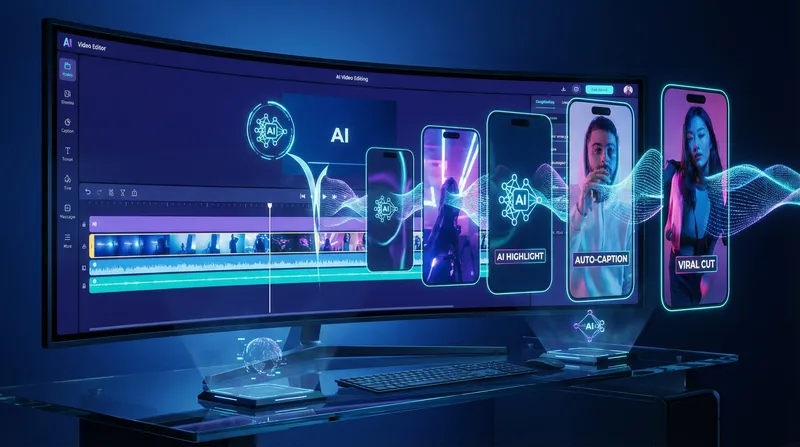
Video production has undergone a radical transformation over the past two years. What once demanded expensive camera equipment, studio time, and weeks of post-production editing can now be accomplished in a fraction of the time thanks to advances in artificial intelligence. For creators who rely on tools like MKVToolNix for container management and final output preparation, the rise of AI-generated video content opens exciting new possibilities for streamlined production pipelines.
Understanding the New AI Video Landscape
The current generation of AI video tools goes far beyond simple filters or automated color grading. These systems can generate entire video sequences from scratch, working with text prompts, still images, or rough storyboard sketches to produce polished footage that rivals traditionally filmed content. The implications for independent filmmakers, content creators, and marketing teams are enormous.
Among the standout solutions in this space, Seedance 2.0 has gained significant attention for its ability to produce fluid, natural-looking motion sequences. Unlike earlier generation models that struggled with temporal coherence and character consistency, this platform delivers remarkably stable video output that holds up across extended sequences. For creators working on short films, promotional clips, or social media content, this reliability makes a meaningful difference in production quality.
Building a Modern Video Production Pipeline
The most effective approach to AI video production combines multiple tools in a cohesive workflow. Start with a strong creative brief and storyboard, then use AI generation platforms to create your raw footage. The generated clips can then be imported into traditional editing software for trimming, sequencing, and audio synchronization. Finally, specialized tools handle the technical aspects of container formatting, codec selection, and final export optimization.
This hybrid approach lets creators leverage the speed and creative flexibility of AI generation while maintaining precise control over the final output. Each stage of the pipeline addresses specific needs, from creative ideation through technical delivery, ensuring professional-quality results throughout.
Creative Applications That Are Changing the Industry
One area where AI video generation is making particularly interesting inroads is in the creation of specialized visual effects. Tools like the AI Kissing Video Generator demonstrate how specific, complex human interactions can be synthesized convincingly through neural networks. These types of specialized effects would traditionally require careful choreography, multiple takes, and skilled post-production compositing, but AI makes them accessible to creators at any budget level.
The entertainment industry has taken notice. Independent drama producers are using AI-generated sequences to supplement their live-action footage, reducing shooting schedules and expanding the scope of what small teams can accomplish. Music video directors are incorporating AI visuals to create surreal, impossible-to-film sequences that captivate viewers. Social media creators are producing polished video content at a pace that would have been unthinkable even eighteen months ago.
Technical Considerations for AI-Generated Footage
Working with AI-generated video introduces some unique technical considerations that creators should understand. Output resolution and frame rate vary between platforms, so understanding your target delivery format from the outset helps guide platform selection. Most current AI video generators produce content at 1080p resolution with frame rates between 24 and 30 fps, though some premium services offer 4K output.
Color space handling is another important factor. AI-generated footage sometimes exhibits color characteristics that differ from traditionally captured video, which can create matching challenges when intercutting between AI and live-action content. Applying a consistent color grade across all footage sources helps create visual cohesion in the final product.
Container format selection also matters when preparing AI-generated content for distribution. The Matroska container format has become increasingly popular for complex video projects because of its support for multiple audio tracks, subtitle streams, and chapter markers. Properly packaging AI-generated content in appropriate containers ensures compatibility across playback environments and preserves the full quality of the generated footage.
Optimizing Your Post-Production Workflow
Once AI-generated footage is in hand, efficient post-production becomes critical. Batch processing capabilities allow creators to handle multiple generated clips simultaneously, applying consistent treatments across an entire project. Automated quality checks can flag issues like frame drops, encoding artifacts, or audio synchronization problems before they reach the final output stage.
Metadata management is often overlooked but increasingly important in AI-assisted workflows. Properly tagging generated clips with source information, generation parameters, and usage rights helps maintain organizational clarity as projects scale up. This documentation becomes especially valuable when collaborating with team members or revisiting projects months after initial creation.
Looking Ahead: What to Expect in 2026 and Beyond
The pace of advancement in AI video generation shows no signs of slowing down. Upcoming developments include real-time generation capabilities that could enable live AI-assisted production, improved control over specific aspects of generated content like lighting and camera movement, and better integration with existing professional editing and distribution tools.
Perhaps most exciting is the trend toward multimodal generation, where AI systems can simultaneously produce coordinated video, audio, and text elements. This convergence promises to further streamline production workflows and open new creative possibilities that blur the boundaries between traditional filmmaking and computational creativity.
For creators already invested in video production tools and workflows, the key takeaway is clear: AI video generation is not a replacement for traditional skills and tools, but rather a powerful complement that expands creative possibilities while reducing production bottlenecks. Those who learn to integrate these capabilities into their existing workflows will find themselves well-positioned to thrive in an increasingly competitive content landscape.