
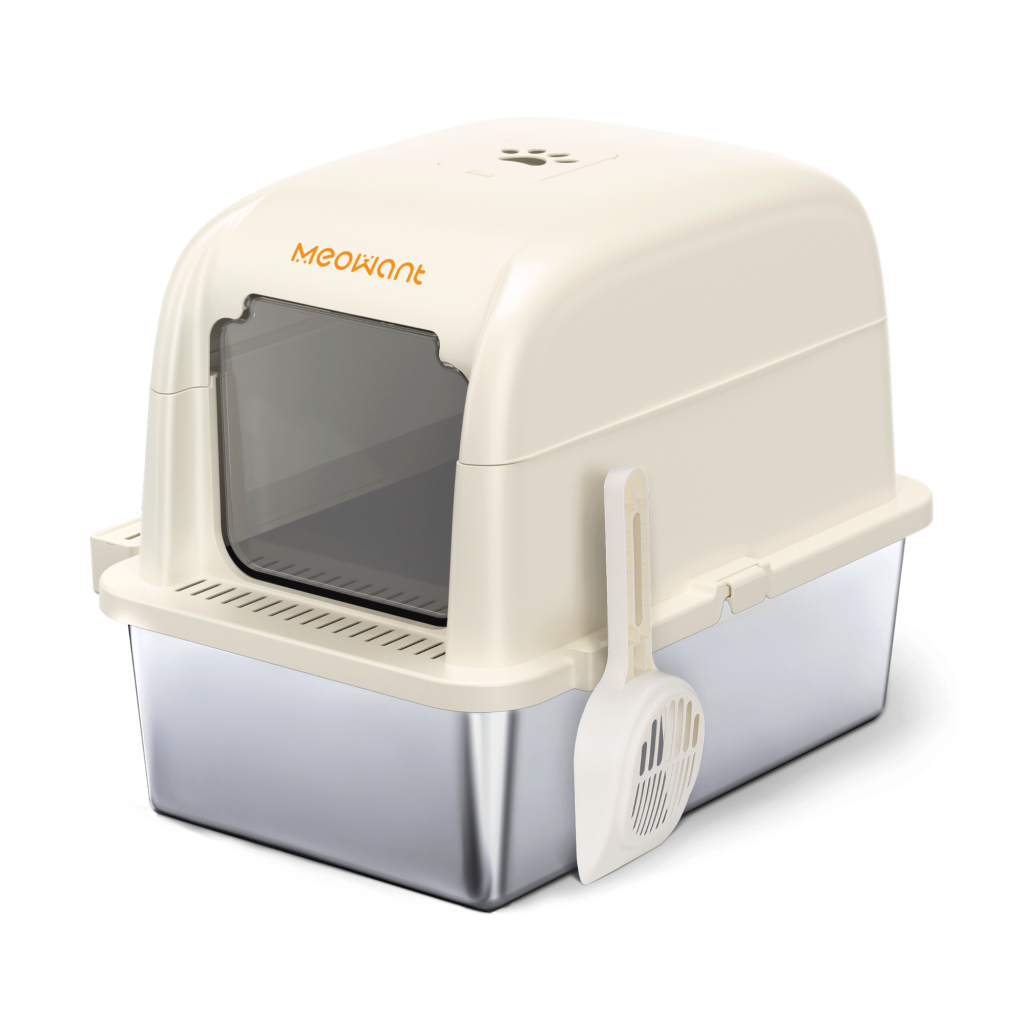
Litter box problems rarely start with a defective product. They start with a routine that was never designed, only improvised. Someone buys a box, pours in litter, sets it in the laundry room, and hopes for the best. That approach works for a while, then quietly stops working, and the owner is left confused about what changed. The truth is that cats respond to predictability, and a litter setup built around consistent habits prevents most of the frustration owners blame on their cats. This guide lays out a practical routine from the first day of setup through long-term maintenance, with clear steps you can follow whether you are introducing a kitten to her first box or resetting a household that has drifted. The process is not complicated, but it is deliberate, and that deliberate structure is exactly what makes it last.
Start With the Right Foundation
Every good routine rests on a foundation of sensible choices made once, at the beginning. Getting the physical setup right removes most of the friction that later turns into resistance, so it pays to spend an extra half hour here rather than troubleshooting for weeks.
Choosing and Placing the Box
Pick a cat litter box that gives your cat room to turn around and dig without touching the walls. A cramped box forces cats to step in the wrong places and encourages them to eliminate elsewhere. Once you have the box, choose its location with equal care. The ideal spot is quiet, low-traffic, and easy for your cat to reach without climbing stairs or squeezing past furniture. Keep it away from food, water, and noisy appliances, and tuck it somewhere visible enough that you will notice changes but not so exposed that your cat feels watched. In homes with more than one floor, place a box on each level. In homes with more than one cat, add at least one extra box beyond the number of cats; the extra box reduces competition and gives a nervous cat somewhere to turn.
Litter Choice and Depth
Most cats have strong opinions about litter texture, and those opinions form early. If you already know what your cat prefers, stay with it. If you are starting fresh, choose a fine, low-dust clumping litter and fill the box a few inches deep, deep enough to dig and bury. Avoid scented litter unless you have a specific reason to use it, because strong fragrances are a common reason cats reject a box. When you experiment with a new substrate, change only one thing and give it several days. Sudden switches cause confusion, and cats who are uncertain sometimes solve the uncertainty by going somewhere safe and familiar, like the carpet.
Establish a Daily Rhythm
Once the foundation is set, repeatable habits do the rest. A rhythm that fits real life is better than an ambitious schedule you abandon within a month, so build something you can keep even on your worst week.
The Two-Minute Scoop
Scoop at least once a day, and add a second pass in the evening if your household is busy. The task takes about two minutes when the box is in good shape, so the real challenge is remembering rather than effort. Attach the scoop to a habit you already keep: scoop after your morning coffee, or right before you leave for work. Use a scoop that fits the litter type and a small sealed container for waste so odor stays contained. If you have multiple boxes, scoop the most-used one first; it is the one most likely to become a problem if neglected. The two-minute habit is the single most effective thing you can do to keep a litter box pleasant, and it costs you less time than searching the house for an accident later.
Weekly Resets
Once a week, empty the box completely, wash it with mild soap and warm water, dry it in the sun if possible, and refill with fresh litter. Weekly resets remove the residue that daily scooping cannot reach and keep the box from developing the persistent odor that drives cats away. Pair the reset with a quick inspection: check the base for deep scratches, the rim for cracks, and the corners for litter stuck in seams. Note whether odor returns unusually fast after a reset. If it does, the plastic itself is holding the smell and the box may need replacing sooner than you expected. A weekly reset is also a good time to wipe down nearby floors and clean the scoop.
Handle Changes Without Disrupting Everything
Litter routines are disrupted by change, and change is unavoidable. New furniture, a new cat, travel, remodeling, or a move can all knock a settled routine off balance. Planning for change protects the habits you have built.
Introducing a New Box or Litter
If you are replacing a box or switching litter, do it gradually. Put the new setup beside the old one and let your cat choose for a week or two. Gradually reduce the old option rather than removing it abruptly. Cats cope with change far better when they can opt in on their own schedule, and a short transition period prevents the accidents that happen when a familiar comfort disappears overnight. If you switch litter, mix the new type into the old at increasing proportions over several days.
Adapting for Travel and Absences
Before you leave, confirm that everyone caring for your cat knows the routine: how often to scoop, where the waste goes, how deep the litter sits. Leave written instructions and spare litter in an obvious place. If your cat is sensitive to disruption, a pet sitter visiting twice a day is usually preferable to a machine because the sitter can also check behavior and appetite. If you rely on an automatic box, test it for several days before departure and confirm a backup box is available in case of a malfunction. A little preparation keeps absences from becoming the event that undoes months of routine.

Watch for Warning Signs Early
A routine is only as good as your ability to notice when your cat stops cooperating with it. Because cats hide discomfort, small changes in behavior are the most reliable early warning you will get.
Behavior Shifts Worth Investigating
Watch for a cat who hesitates at the box entrance, cries while eliminating, produces smaller or more frequent urine clumps, or suddenly avoids a clean box. These can signal discomfort, stress, or a medical issue, and they deserve attention rather than assumptions. It is easier to keep a routine than to rebuild one, so treat early signs as an invitation to check the box, the litter, and the schedule before assuming your cat is being difficult. Meowant boxes with smooth interiors and easy-to-remove parts make the inspection steps quicker, which helps you stay consistent when a cat is demanding extra attention. If signs persist beyond a few days, a veterinary visit is the right move, since litter box behavior is often the first visible clue to a health problem.

Refreshing the Routine
Every few months, review the setup with fresh eyes. Is the box still the right size for a growing kitten? Does an aging cat need a lower entry? Has furniture moved so the box now sits in a high-traffic path? Adjust the location, depth, and schedule as your cat’s needs change, and replace the box when scratches and odor become hard to manage. Routines age the same way cats do, which means a quick seasonal review keeps them working long after the novelty of the setup has faded.

A Simple Routine That Keeps Everyone Comfortable
A litter routine is not a chore list; it is a small agreement between you and your cat. You provide a clean, comfortable, predictable space, and your cat takes care of the rest. Start with a box that fits her body, a spot that respects her need for quiet, and litter she trusts. Then protect that foundation with a daily scoop, a weekly reset, and a willingness to adapt when life changes. None of these steps take much time, and together they prevent the vast majority of litter box problems owners blame on their cats. Keep the routine simple enough to survive a busy week, and revisit it whenever your household changes. Consistency is quiet, but it is what makes a litter box feel like a dependable part of home rather than a source of daily worry.