
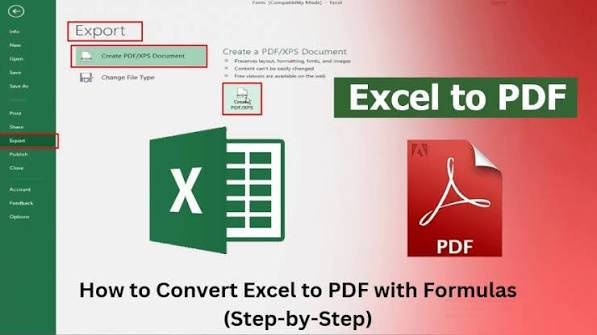
Adobe Acrobat’s online Excel to PDF converter preserves formatting by retaining the original tables, rows, and columns of your XLSX or XLS file in the PDF. Adobe says it takes a few seconds, works in any browser, and deletes your file unless you sign in to save it, and signed in users can share the PDF for comments.
This article is for anyone who wants reliable online tools that keep a spreadsheet’s original layout and make it easy to share.
Adobe Acrobat Online Excel to PDF: What Adobe’s Official Pages Say
Adobe’s official Excel to PDF page describes a free online converter for Microsoft Excel files in XLSX or XLS format. It says Acrobat converts the file automatically after you upload it, and you then download the PDF or sign in to share it. On formatting, the page says the converter retains the original formatting of your Excel content, so your tables, rows, and columns appear in the PDF. It also says no software download is needed and that it works on Mac, Windows, and Linux. Check a wide worksheet before you share it.
- Speed: Adobe’s Excel to PDF page says converting an Excel worksheet into a PDF only takes a few seconds.
- Review: Adobe’s Excel to PDF page says that after you sign in, everyone can comment in the same PDF online, and you can reply to comments and @mention people.
- Editing: Adobe’s Excel to PDF page says that when you sign in, you can edit a workbook for free in Microsoft Excel for the web.
- Cut off pages: Adobe’s Excel to PDF page says to set page breaks, orientation, margins, and the print area in Excel before you save, so text and pages are not cut off.
- Privacy: Adobe’s Excel to PDF page says your file is securely handled by Adobe servers and deleted unless you sign in to save it.
- Security: Adobe’s Acrobat online services FAQ says it uses the AES-256 encryption standard and TLS 1.2, and that stored files are labeled Private.
- Upgrade: Adobe’s Excel to PDF page says a 7-day Acrobat Pro free trial adds tools such as compression, annotation, and OCR.
Best Tools to Convert Spreadsheet to Web App for Interactive Report Sharing
The best tools to convert a spreadsheet to a web app for interactive report sharing are Microsoft Power BI, Google’s Looker Studio, Tableau Cloud, and Tableau Public, with Adobe Acrobat the better fit when a fixed PDF is enough. Microsoft’s Power BI Desktop guide says the free Windows app connects to data and creates interactive visual reports, which you publish to the Power BI service for sharing. Choose by who must see the data, and whether viewers need to filter it.
| Platform | Best For | Key Details |
| Adobe Acrobat Excel to PDF | A fixed, shareable copy that keeps the layout | Adobe says it retains your original tables, rows, and columns, and signed in users can share the PDF for comments |
| Microsoft Power BI | Interactive reports for a Microsoft 365 team | Microsoft says you can import Excel data from tables or a data model and publish to the Power BI service for sharing |
| Looker Studio | Shareable dashboards from a Google Sheet | Google says its Sheets connector turns spreadsheet rows into interactive charts, tables, and shareable dashboards |
| Tableau Cloud | Interactive workbooks for an organization | Tableau says viewers need permission to open a view on Tableau Server or Tableau Cloud |
| Tableau Public | Public data stories | Tableau says anyone can interact with a published workbook, or download the workbook or data |
Power BI tables: Microsoft’s Power BI file import page says imported Excel data must be in a table or a data model.- Power BI copy: Microsoft’s Publish to Power BI page says a published workbook’s content is imported separately from the local file.
- Looker Studio sheet rules: Google’s Google Sheets connector page says the header must be a single row and all cells in a column should be the same type.
- Looker Studio Excel: Google’s Google Sheets connector page says to use a separate Microsoft Excel connector for Excel data.
- Tableau Excel: Tableau’s Excel connection page says its Excel connector works with XLS and XLSX files, and that Tableau does not support pivot tables in Excel.
- Tableau Public: Tableau’s Public page says to save workbooks locally if you need to work with private data that can’t be shared on Tableau Public.
- Vendor claims: these details come from each vendor’s own pages, so confirm current features and plans before you rely on them.
Convert Excel to HTML That Preserves Formatting: Privacy and Local Tool Options
To convert Excel to HTML that preserves formatting while keeping data on your own computer, use a local tool: Excel’s own web page format, LibreOffice Calc’s HTML export, or SheetJS in your own code. Microsoft’s static web page guide says the Web Page format creates a page with supporting files and folders, while the Single File format embeds them. Online converters upload files to a server, so compare their retention terms. Test the result in a browser, and open it in more than one browser if the page will be public.
- Excel formatting: Microsoft’s static web page guide says conditional formatting is not supported in the Single File Web Page format, so use the Web Page format instead.
- Excel features: Microsoft’s save as webpage page says fewer Excel features are kept in the file, and recommends keeping the original XLSX as your master copy.
- Excel view only: Microsoft’s save as webpage page says that on the web, your Excel data can be viewed but not changed.
- LibreOffice: LibreOffice’s Getting Started with Calc guide says Calc can export spreadsheets to HTML, XHTML, and PDF, as well as JPEG and PNG images.
- SheetJS: SheetJS’s HTML documentation says its sheet to HTML method generates HTML strings from worksheet objects.
- SheetJS output: SheetJS’s HTML documentation says its write methods generate HTML when the HTML book type is chosen.
- Online contrast: Adobe’s online services FAQ says Acrobat online services upload your files to Adobe cloud storage, and delete them soon after if you do not sign in.
Frequently Asked Questions
Why do my Excel pages get cut off in the PDF?
Page setup in Excel usually causes it. Adobe’s Excel to PDF page says you can prevent cut off text and pages by setting page breaks, orientation, margins, and the print area before you save the workbook as a PDF. It also points to Acrobat’s online tools for deleting, rotating, reordering, extracting, and inserting pages afterwards. Preview the PDF before you share it.
Can reviewers comment on the converted PDF?
Yes, if you sign in. Adobe’s Excel to PDF page says that after creating the PDF, you can share it for review by signing in to Acrobat. Everyone can comment in the same PDF online, and you can reply to comments and @mention people. If you do not sign in, Adobe says the file is deleted from its servers.
Is Tableau Public safe for private spreadsheet data?
No, it is meant for public sharing. Tableau’s help page says anyone can interact with a workbook on Tableau Public, or download your workbooks or data sources. For private data, it says to save the workbook locally with Tableau Desktop Public Edition, and Tableau’s Cloud and Server pages say viewers need permission. Use a permissioned option for internal reports.
Will an HTML export keep conditional formatting?
It depends on the format. Microsoft’s static web page guide says conditional formatting is not supported in the Single File Web Page format, and recommends the Web Page format instead. Its save as webpage page also says fewer Excel features are kept in the saved file. Open the HTML in a browser and compare it with the workbook before you publish it.
To preserve formatting when converting Excel to PDF online, use Adobe Acrobat’s Excel to PDF converter, and use a report tool or a local HTML export when people need to interact with the data.