
The way people consume content on the internet has been radically transformed by short-form video. Long YouTube videos and blog posts were the staple a few years back when it comes to digital marketing. Today, the dominant platforms such as Instagram Reels, TikTok, and Youtube Shorts encourage users to consume quickly and visually, offering value in mere seconds. For creators, marketers, and business owners, this shift creates an expansive growth opportunity. Even a basic set of still images can turn into a top-performing Reel with the right editing and AI-driven automation.
The attention span is another big reason why short-form content is so successful. The rundown: They’re watching quickly and deciding within two seconds to stop or keep going. That means creators require gripping hooks, energetic transitions and concise storytelling. That sounds intimidating for beginners, but modern AI tools make the process dramatically simpler. Rather than laboring over hours to learn complex editing software, small business creators can now rely on an AI video generator for small business workflows that take care of everything from transitions to subtitles.
AI-based platforms are also enabling small companies to compete with major brands. A small business owner, such as a local bakery, personal trainer or freelance designer, can now produce polished short-form videos without the need to hire a production crew. The democratization of content creation is all one of the biggest digital marketing shifts happening right now. HubSpot research shows that short-video is one of the highest ROI social media marketing strategies.
The Emergence of AI-Generated Content Creation
Artificial intelligence is not a science-fiction dream reserved for technology companies. It presides over the day-to-day creative work. AI tools are now involved in scriptwriting, image creation, captioning, voiceovers and video editing. For novices, that means the technical barriers that stood between them and making videos are quickly coming down.
Content creators say they are using AI to create more content in less time, while still delivering quality. Imagine drafting a 600-word blog post, then turning that into five Instagram Reels in about an hour. That kind of productivity would have seemed unthinkable a short time ago. And now, it’s becoming expected for savvy content marketers to have.
What to know about making videos from still images
Making movies and animations from still images appears straightforward but engaging short-form videos must have structure and narrative. Haphazardly shoving photos into a timeline seldom works because spectators want movement, pacing and an emotional journey. The idea is to take frozen visuals and make them a narrative experience that is dynamic and compelling.
The procedure usually starts off with a content idea. Think of these as a series of motivational quotes, product showcase, educational tips, or extracts from a blog post. After the topic is chosen, creators collect the visuals that reinforce the message. These pictures could be from original photography, Canva designs, screenshots, or AI-created art.
What makes modern workflows so powerful is automation. Rather than hand-animating each frame, producers can use a script to video system that turns text into visual storytelling. The AI automatically picks transitions, timing, subtitles and motion effects. It saves a tremendous amount of time editing and the result is visually consistent.
Vertical formatting is another key element. Instagram Reels, YouTube Shorts etc are presented in the 9:16 vertical format that’s optimized for viewing on smartphones. Newcomers to the trade are sometimes guilty of this, but they tend to take horizontal graphics intended for YouTube or blogs or websites. Typically, AI video makers fix this by automatically adjusting videos to mobile-friendly formats.
What Is A Script To Video Process Workflow?
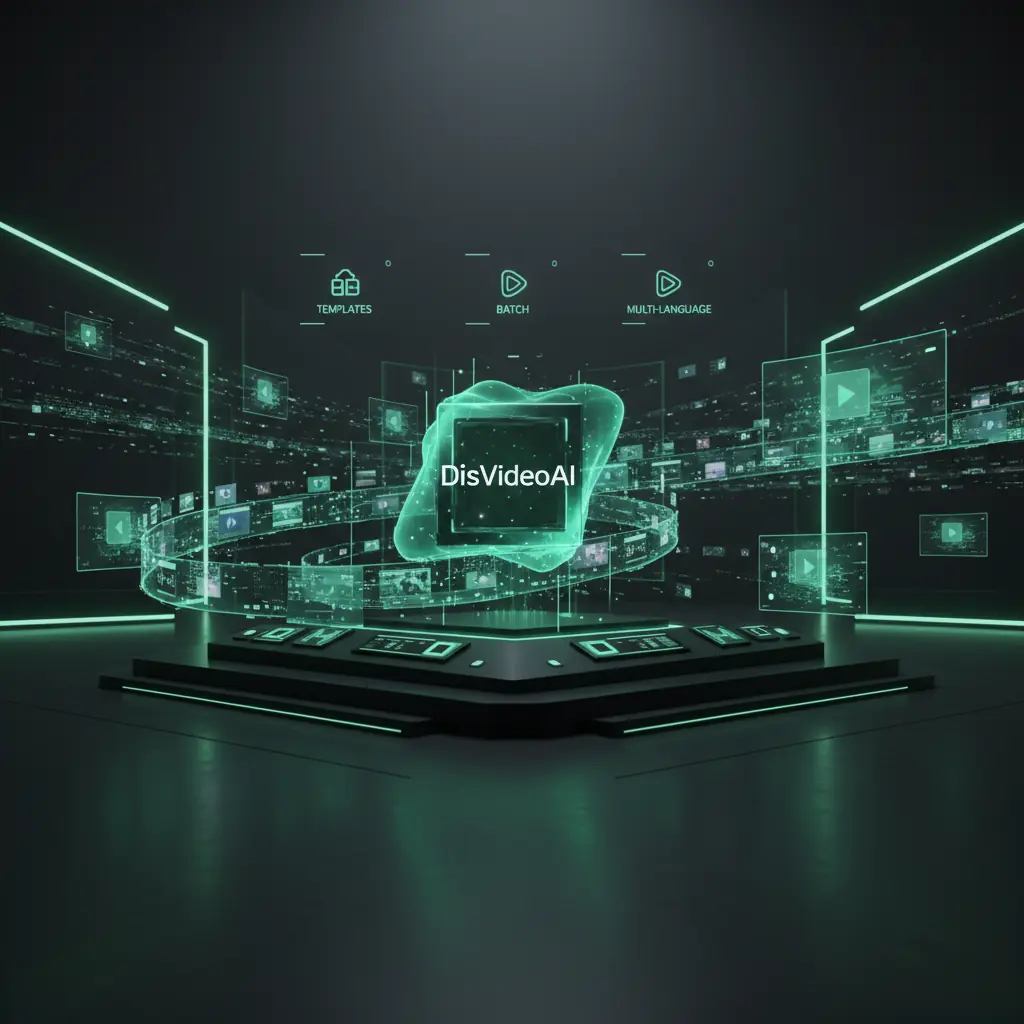
A script to video production workflow is exactly what ‘s sounds like. You enter text, and AI software renders it into a video with visuals, transitions, animations, voice overs, and captions. Some of them even evaluate the emotional inflection of your script to select matching music and mood.
This workflow is especially convenient for writers who have already written content. Blog posts, newsletters, LinkedIn articles, and product descriptions are just a few examples that can be turned into short-form videos. Rather than giving birth to new content, producers just repackage old into new.
Why Small Businesses Are Turning To Ai Video Tools
There are, however, small businesses who consider both their finances and their time very limited. Hiring editors, designers and social media managers can be costly. AI tools dramatically reduce those expenses, while allowing for an increase in content production. Now a silent single entrepreneur can churn out daily Reels without any technical expertise.
How to create Instagram Reels with images: Step-by-step work process
Create great reels with this simple, repeatable workflow The best way to create compelling Reels is to establish a process you can repeat. Random experimentation may work from time to time, but consistency is derived from routine. A simplified process enables creators to create content at a faster pace while keeping quality and brand consistency.
Step 1 – Collect and Sort Your Images: Start off by collecting images on your topic. If your video is about productivity hacks, for example, incorporate screenshots, photos of workspaces, icons and branded graphics. Organize your graphics in folders so you don’t have to waste time editing on them. A busy workflow stifles creativity and breeds frustration.
Quality images are more important than most novices think. Fuzzy and/or badly cropped photos immediately give the impression of unprofessionalism. Even if you’re sourcing AI-generated art, make sure the style is consistent throughout your video. Consistent visuals creates a polished viewing experience.
Step 2 – Write a Short Video Script Picaresque Every winning Reel includes a hook. The first line of text should be designed to arouse curiosity or provide quick value. For example:
“Turn your blog posts into viral Instagram Reels in minutes.”
“Most creators spend hours cutting videos by hand.”
“Here’s a way AI can create YouTube Shorts – from nothing more than simple images.”
Once you have grabbed that attention with the hook, keep the script short and conversational. Short-form content is most effective when each sentence helps the audience arrive at a takeaway. Don’t get too technical or go into too much detail.
Step 3 – Convert Script to Video with AI
This is where the magic really happens. Paste your script into an AI video generator for small business platform. You can add images, select templates, include AI voiceovers, and customize branding elements. Then, that content is cut and compiled into a Reel that’s ready to be published.
A lot of beginners are scared that videos made with AI will look robotic, but tools are rapidly improving every day. Natural voice synthesis, dynamic captions, and smart pacing now make AI-generated content surprisingly human-like, isn’t it?
Step 4: Add Your Music, Captions, and Brand Yourself
Captions are necessary especially considering a lot of people are watching videos with the sound off. Automated subtitles tools provide convenience and improve accessibility, also increase viewers retention. Music also has a key part to play in emotional engagement. Upbeat songs brighten the mood, while mellower music accompanies storytelling content.
Brand consistency is important too. Incorporate a consistent pattern of your colors, fonts and logo placement, so people see your content and instantly know it’s yours as they scroll.
How to Turn Blog Posts Into Short Videos
Repurposing is one of the smartest content strategies today. Instead of producing each Reel from the ground up, creators can spin their longform written content into dozens of short form assets. This technique triples blog posts productivity.
A 1,500 word article can easily produce 10+ videos shorts. Each Reel can cover one tip, statistic, quote or insight from the original post. It’s a time-saver and also helps extend reach on different platforms.
Breaking down Long Articles Into Quick Bites
The secret to effective repurposing is simplification. Blog readers are patient with in-depth content, but short-form viewers demand speed. Take the most valuable ideas and turn them into brief lessons or fun visual stories.
Add transitions, animated text, and image movements to keep the energy battering the Reel. Even still photos can come to life when you add zoom effects or layered motion.
With AI Voiceovers & Auto Captions
AI voice overs are getting more realistic. They make it possible for creators to narrate videos without having to record audio. That’s especially beneficial for shy creators or businesses that don’t have a dedicated presenter.
Captions that are automated also improve accessibility and engagements. Studies consistently find that videos with captions are watched longer, especially on mobile devices.
Conclusion
Making Instagram Reels and YouTube Shorts from still images is no longer complicated and costly. Using powerful AI tools, even novices can produce professional-level content, using a simple script to video process. Whether you’re a blogger, entrepreneur, educator or small business owner, short-form video is one of the quickest ways to boost your online visibility.
Real leverage is consistency and repurposing. Don’t think of each Reel as a standalone project; intelligent creators repurpose blog posts, images, and existing written content into multiple, engaging videos. It’s a recipe that protects creative burnout and production maximization.
With AI advancing, content creation will accelerate even further. Those creators who can figure out these workflows first will have a tremendous advantage in building audiences, developing their brands, and efficiently monetizing via digital marketing.