
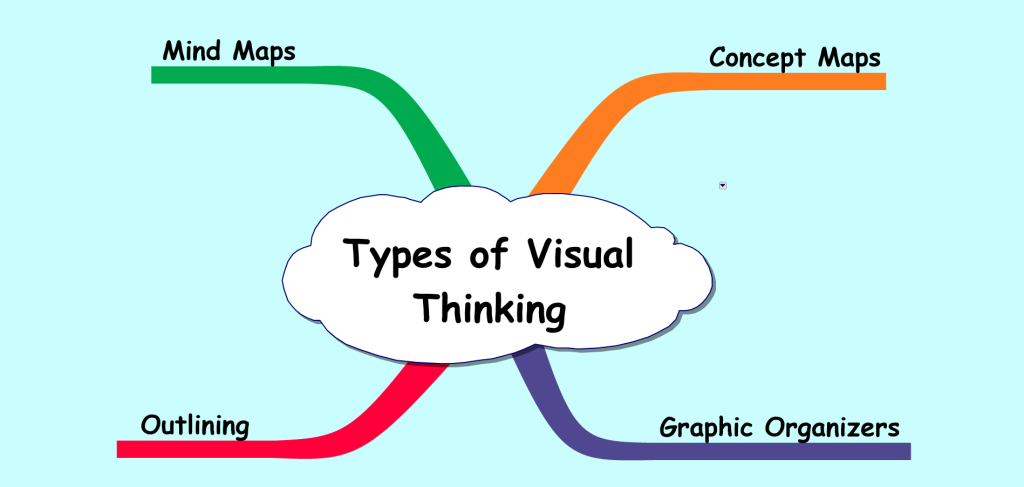
In today’s knowledge economy, clarity is power. Ideas move fast, teams collaborate remotely, and information flows constantly. Whether you’re outlining a research paper, mapping out a marketing funnel, or designing a lesson plan, using a reliable Concept Map Generator has become essential for turning complexity into structure.
At the same time, audiences expect more than plain diagrams. Clean structure alone is no longer enough—visual polish matters. That’s why many users are actively looking for tools that combine logical mapping with the flexibility of a free infographic maker. Instead of juggling multiple platforms, professionals now prefer solutions that can organize ideas and present them beautifully in one workflow.
Let’s explore three platforms shaping this space, each offering a distinct approach to visual thinking.
1. Infograph.app
Overview
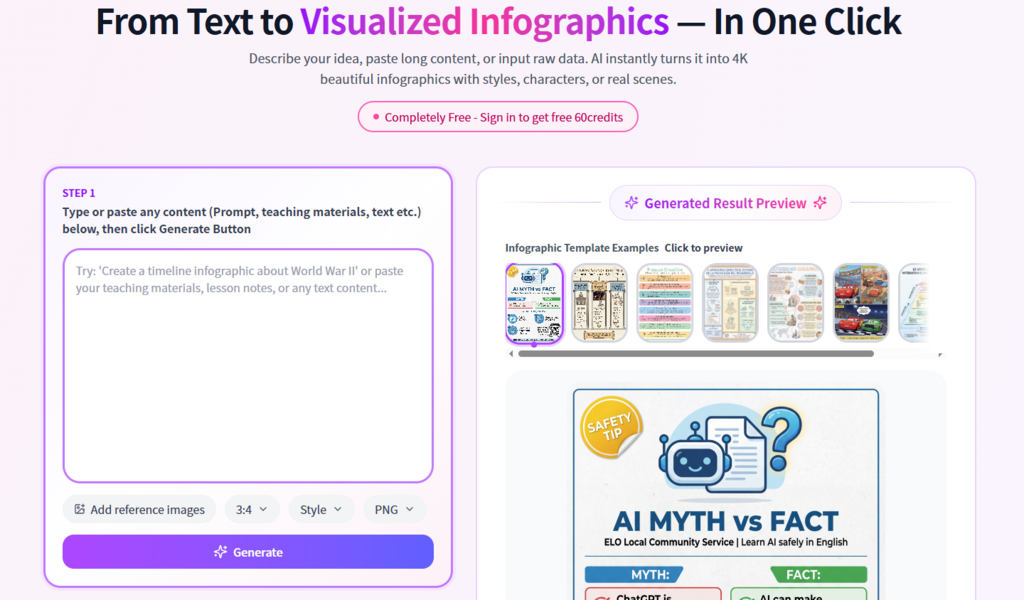
Infograph.app sits at an interesting intersection between structured thinking and visual storytelling. While many tools position themselves strictly as mapping utilities, this platform treats concept maps as the foundation for broader visual communication.
Rather than isolating diagram creation from design, it integrates both seamlessly. That means users can build structured concept maps and enhance them with stylistic elements typically found in professional infographics—without switching tools.
For educators, consultants, content marketers, and startup teams, this blend of logic and aesthetics can be particularly useful.
Features
AI-Assisted Mapping
The system helps expand ideas automatically, suggesting related branches and logical relationships. This speeds up the brainstorming phase while preserving structural clarity.
Flexible Visual Templates
Instead of rigid academic layouts, users can choose from modern templates suited for business strategy, content planning, education, and more.
Built-In Design Enhancements
This is where the platform subtly stands out. After building a concept map, users can refine typography, adjust color themes, insert icons, and visually emphasize key nodes—capabilities you’d normally expect from a Free Infographic Maker rather than a basic diagram tool.
Smooth Export & Sharing Options
Downloadable formats and shareable links make it easy to distribute finished maps across teams or publish them as presentation assets.
The overall experience feels less like building a static chart and more like crafting a visual communication piece.
2. ConceptMap AI
Overview
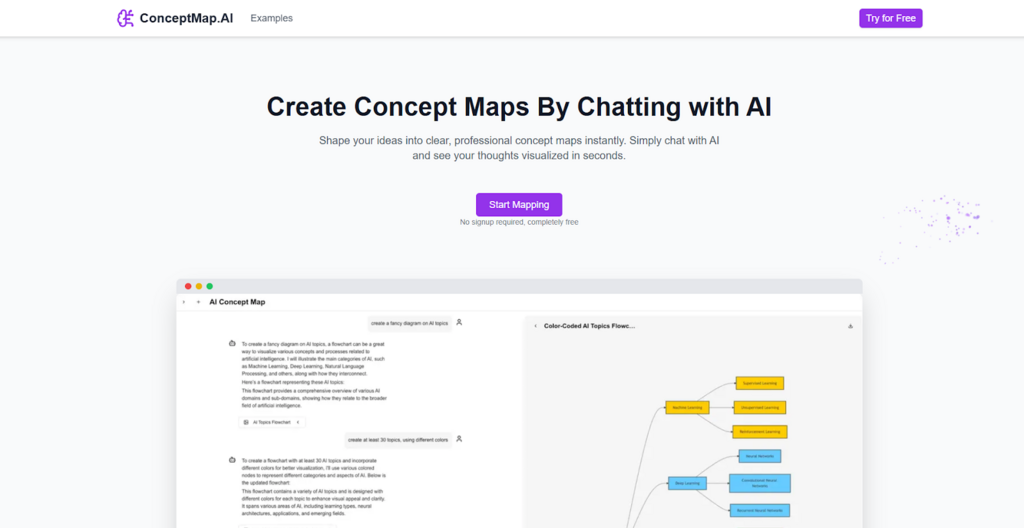
ConceptMap AI takes a more focused approach. It positions itself primarily as an AI-driven concept map generator designed for speed and automation. If your main goal is to transform text or a topic into a structured hierarchy quickly, this platform does that efficiently.
It appeals strongly to students, researchers, and analysts who prioritize structure over visual embellishment.
Features
Prompt-to-Map Generation
Users can enter a subject or paragraph, and the AI instantly builds a multi-level concept structure. This is ideal for summarizing large volumes of information.
Minimalist Layouts
Design here is clean and functional. The emphasis is readability and academic-style clarity rather than presentation polish.
Drag-and-Drop Editing
While AI creates the base structure, users can manually adjust nodes and connections for precision.
Export Support
Maps can be downloaded for academic or professional use.
ConceptMap AI excels at generating structured diagrams quickly. However, if you need to elevate those diagrams into visually engaging materials, you may need an additional design tool.
3. MyMap AI
Overview
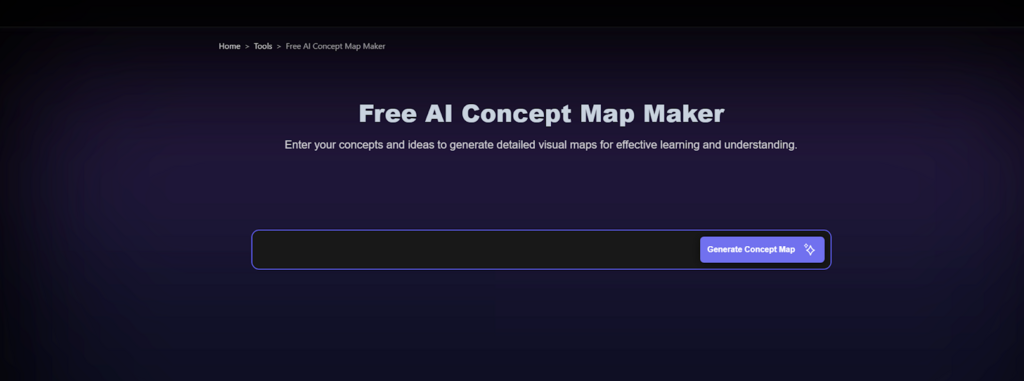
MyMap AI focuses on collaborative and interactive mapping. It blends AI-assisted idea expansion with real-time teamwork features, making it a strong option for group brainstorming sessions.
The platform leans toward usability and accessibility, particularly for teams working across locations.
Features
Idea Expansion Assistance
Starting from a central topic, the AI suggests logical subtopics, encouraging deeper exploration.
Real-Time Collaboration
Multiple users can edit and contribute simultaneously, making it well-suited for workshops and strategy sessions.
Clear Structural Organization
Maps are visually organized and easy to navigate.
Browser-Based Access
No installation required, simplifying onboarding for teams.
While MyMap AI supports structured ideation effectively, its primary strength lies in collaboration rather than advanced visual customization.
Comparing the Approaches
When selecting a concept map generator, your priorities matter. Here’s a simplified way to think about it:
- Speed & AI Structure First? ConceptMap AI delivers rapid diagram generation.
- Team Brainstorming & Collaboration? MyMap AI offers strong real-time features.
- Structure + Visual Presentation in One Flow? Some platforms naturally bridge both mapping and infographic-style design.
The growing overlap between diagram tools and visual design platforms reflects how workflows are evolving. Users increasingly want to:
- Brainstorm ideas
- Organize them logically
- Present them professionally
…all without rebuilding the same content in multiple tools.
That’s where the subtle differences between platforms become noticeable.
Why Hybrid Tools Are Gaining Momentum
Modern communication demands both clarity and visual appeal. Concept maps are no longer internal-only planning tools—they’re often shared in meetings, embedded in blog posts, used in client presentations, or posted on social platforms.
A standard concept map generator may handle structure well. A standalone free infographic maker may polish visuals. But combining these capabilities within one environment can significantly reduce friction.
When you can refine structure and design simultaneously, your ideas maintain coherence from draft to final presentation.
Final Thoughts
There’s no universal “best” platform—only the best fit for your workflow.
If your primary goal is rapid knowledge breakdown, AI-driven mapping tools will serve you well. If collaborative ideation is key, real-time editing platforms offer flexibility.
But if you find yourself frequently transforming concept maps into polished visual assets—slides, reports, social content, or educational materials—it’s worth exploring tools that don’t force you to separate thinking from design.
The ability to move fluidly from structured mapping to presentation-ready visuals within the same space feels less like a convenience and more like a natural extension of modern workflows. And once you experience that seamless transition, it’s surprisingly hard to go back to juggling multiple apps.
After all, mapping ideas is only the first step. Communicating them effectively is what truly makes them powerful.