
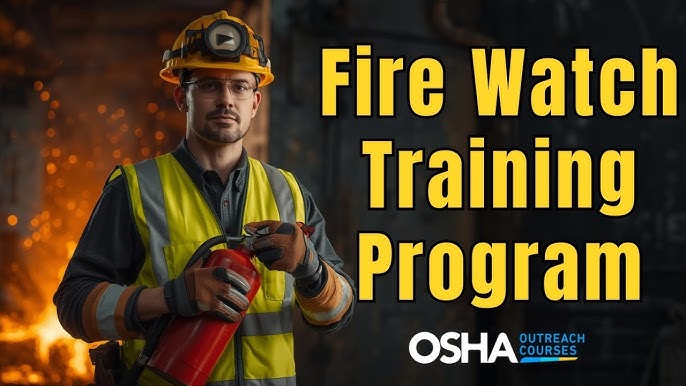
Workplaces that involve heat producing activities must follow safety rules that help reduce hazards. OSHA guidance explains when monitoring personnel is needed, what responsibilities they perform, and how observation should continue after work is completed. A proper fire watch detroit service helps organizations maintain awareness of potential dangers while supporting workplace protection. These duties are important whenever sparks, heat sources, or temporary risks may create unsafe conditions. Following established requirements helps reduce incidents, protect property, and support safer working environments through active supervision.
Safety Responsibilities During Hazardous Work Activities
Monitoring personnel observe work areas carefully whenever activities create elevated risk. Their responsibility contains identifying hazards, maintaining awareness, and reporting concerns immediately. Active observation helps reduce incident potential while supporting safer operations throughout the work period.
Hazard Recognition Supporting Safer Operations
Identifying concerns early helps prevent larger problems.
- Early observation reduces potential incident development.
- Personnel monitor surroundings for warning signs.
- Active awareness supports workplace protection efforts.
- Careful inspections improve hazard detection success.
- Consistent observation strengthens overall safety measures.
Communication Procedures During Monitoring Activities
Clear reporting helps address concerns without delay.
- Immediate updates support rapid corrective actions.
- Communication improves coordination among responsible personnel.
- Accurate reporting strengthens workplace awareness levels.
- Prompt notifications reduce developing risk exposure.
- Organized procedures support efficient response efforts.
Proper Training Supporting Effective Observation Duties
Personnel assigned to monitoring responsibilities should understand reporting procedures, hazard recognition, and emergency actions. Appropriate preparation improves awareness while supporting better decision-making. Trained individuals contribute to safer environments through consistent observation and responsible action.
Quick Response During Developing Safety Concerns
Timely action remains important whenever warning signs appear. Monitoring personnel report concerns immediately while following established procedures. Rapid communication supports corrective action, helping reduce incident severity while maintaining safer workplace conditions during elevated risk situations.
Organized Procedures Supporting Duty Effectiveness
Structured processes improve monitoring performance significantly.
- Clear responsibilities support consistent observation practices.
- Defined procedures improve workplace safety outcomes.
- Organized activities strengthen monitoring reliability levels.
- Personnel follow established reporting expectations carefully.
- Structured oversight supports operational protection goals.
Documentation Supporting Compliance Related Requirements
Accurate records help demonstrate that monitoring duties were performed properly. Documentation may include patrol details, observations, actions taken. Organized records support accountability while helping organizations meet workplace safety expectations effectively.
Continued Observation After Activity Completion Periods
Risks may remain after work activities end. Monitoring personnel often continue observations for designated periods to ensure no hidden hazards develop. Extended supervision helps reduce delayed incidents while supporting stronger workplace protection measures.
Reliable Oversight During Critical Activities
Continuous supervision remains essential during risk periods.
- Assigned personnel maintain focused workplace observation.
- Monitoring activities support safer working conditions.
- Active presence reduces potential hazard exposure.
- Consistent oversight improves protective safety measures.
- Observation efforts strengthen operational risk control.
Compliance Benefits Through Proper Monitoring
Following requirements supports workplace protection objectives.
- Compliance efforts improve organizational safety standards.
- Monitoring supports adherence to expected practices.
- Proper oversight reduces workplace risk concerns.
- Active observation strengthens hazard prevention measures.
- Consistent duties support safer operational environments.
Following monitoring requirements helps organizations maintain stronger protection during activities involving elevated hazards. Effective observation, accurate reporting, and continued supervision contribute to safer operations while reducing incident potential. A professional fire watch detroit service can help strengthen these efforts while supporting compliance expectations across various work environments.
FAQs
What is the main purpose of monitoring duties?
Monitoring duties help identify hazards quickly, support rapid reporting, reduce incident risks, and improve workplace protection efforts.
When should monitoring personnel remain on site?
Personnel should remain present during hazardous activities and designated observation periods after work ends to reduce risks.
Why is documentation important during monitoring activities?
Documentation provides records of observations, supports accountability, demonstrates compliance efforts, and helps improve future safety planning.